
Lens zooms
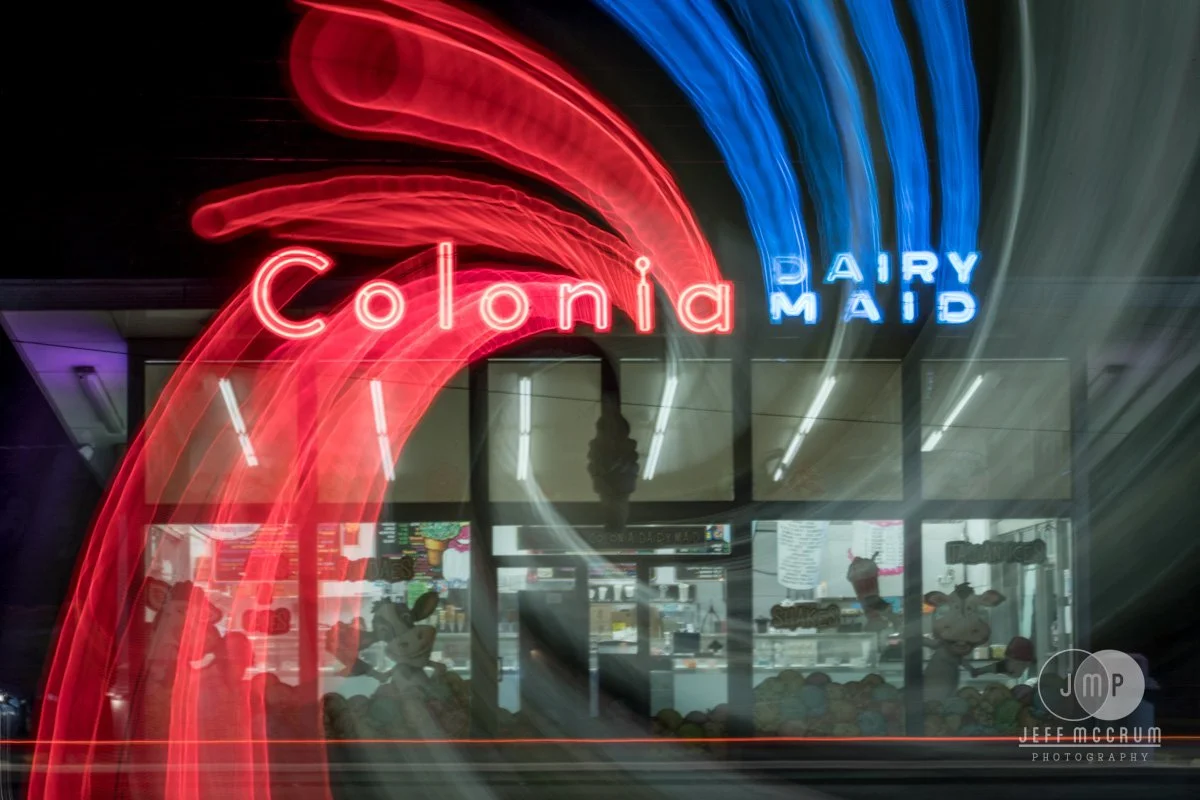
A few weeks ago I had an Instagram post of a local ice cream shop with zoomed lines of light created by the neon and several people asked how I had accomplished it.
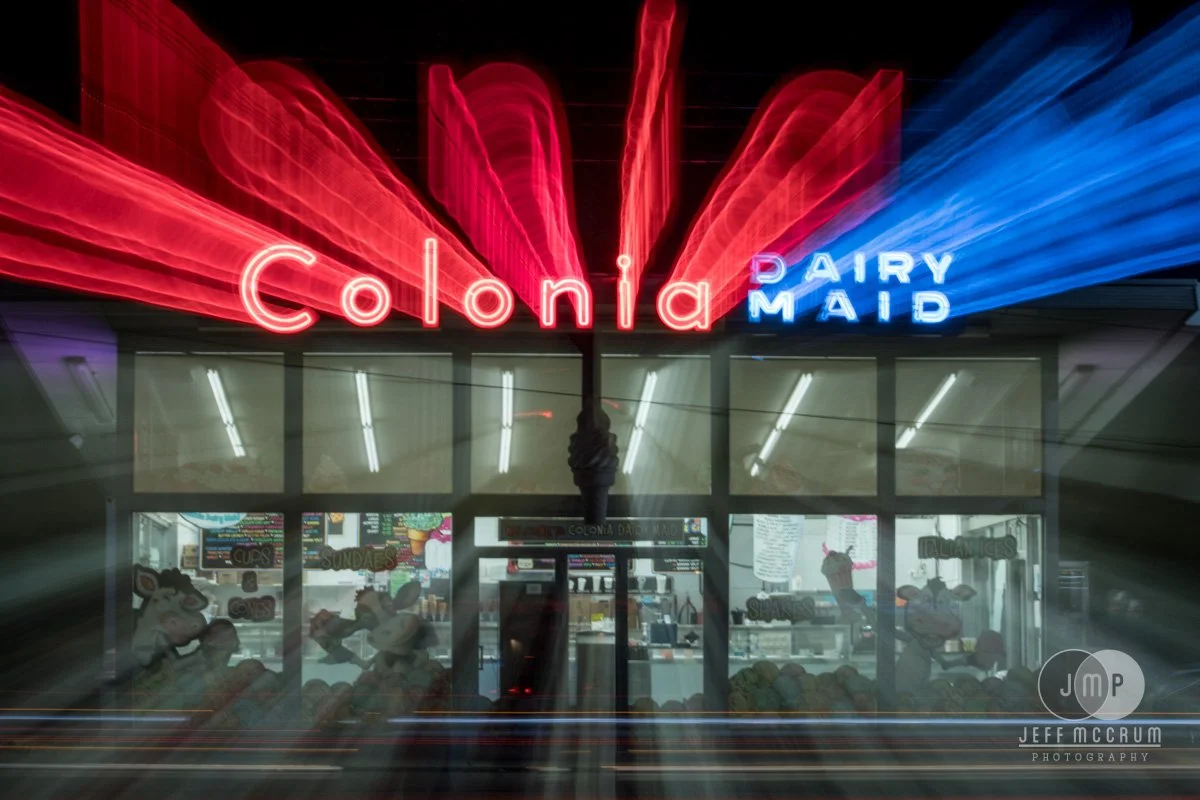
ISO 100, 4 seconds at f/32
The answer lies in two main elements, a zoom lens and as long an exposure as possible. The former is probably something you already have with most interchangable lens cameras and the latter is created by lowering the ISO as low as possible and shrinking the aperture as much as possible. Even then, due to the brightness of neon you will still only have two to five seconds of exposure for your image.
Obviously you will want to use a tripod as well. But depending on your shutter speed you will wait at least half to two-thirds of the exposure time to be stable and unmoving, then simply zoom in or out as the image calls for it. What’s the difference? Mainly in what the image direction appears, on the left is starting out and zooming in, the right is starting in and zooming out.
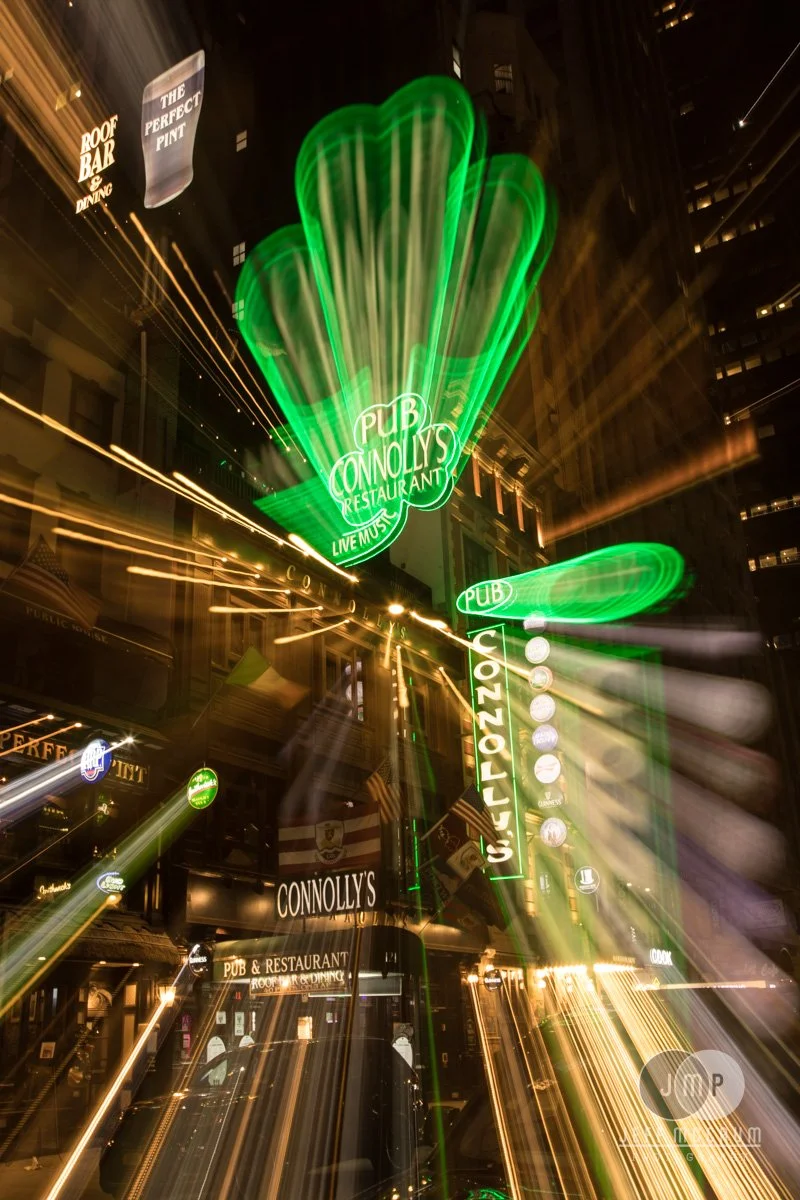
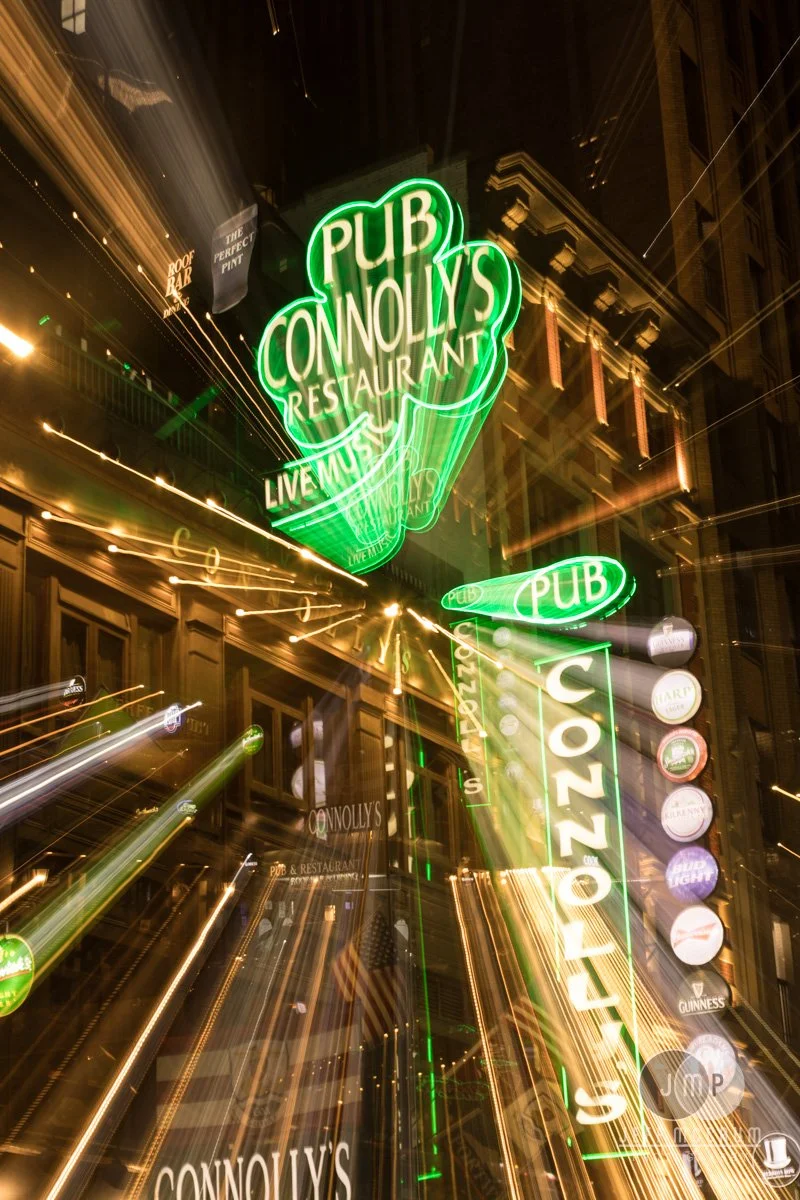
The Dairy Maid image at the top is starting out and zooming in. For me, the preference is typically in sign legibility, what works as a dynamic image that leaves the sign legible.
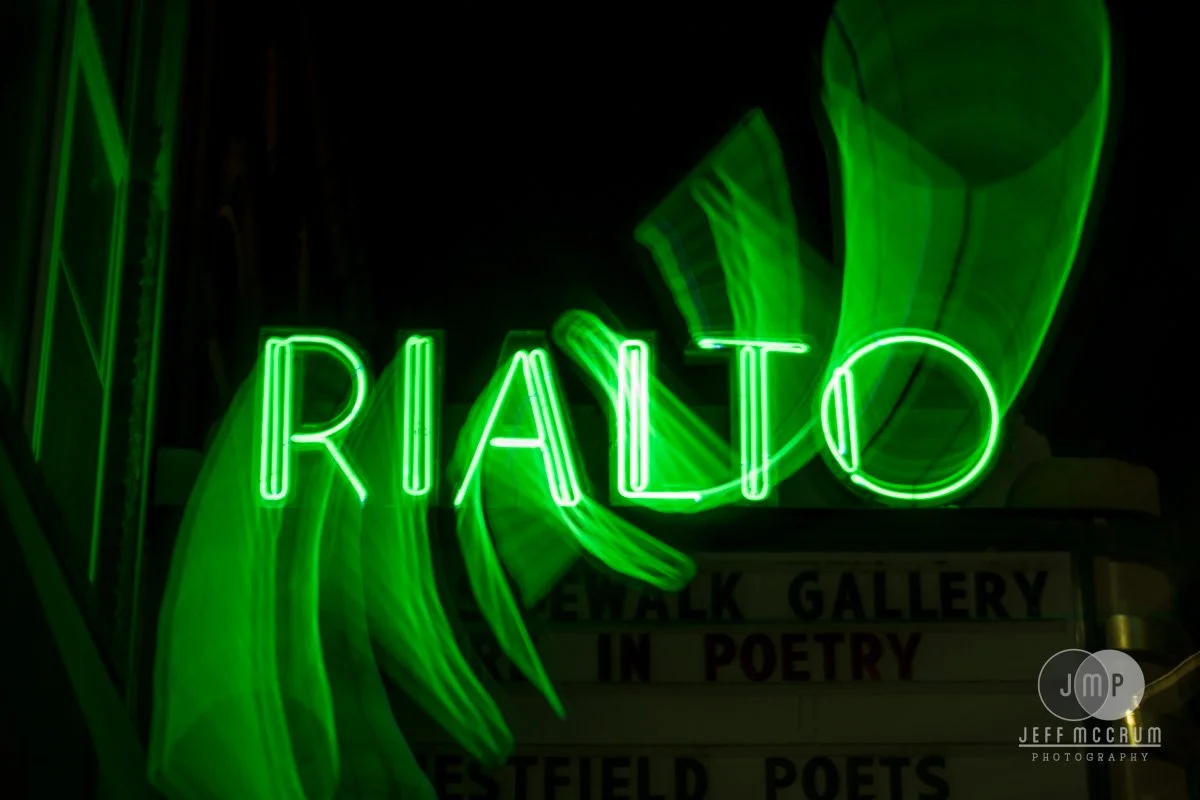
ISO 100, 4 seconds at tf/32
ISO 100, 6 seconds at f/32
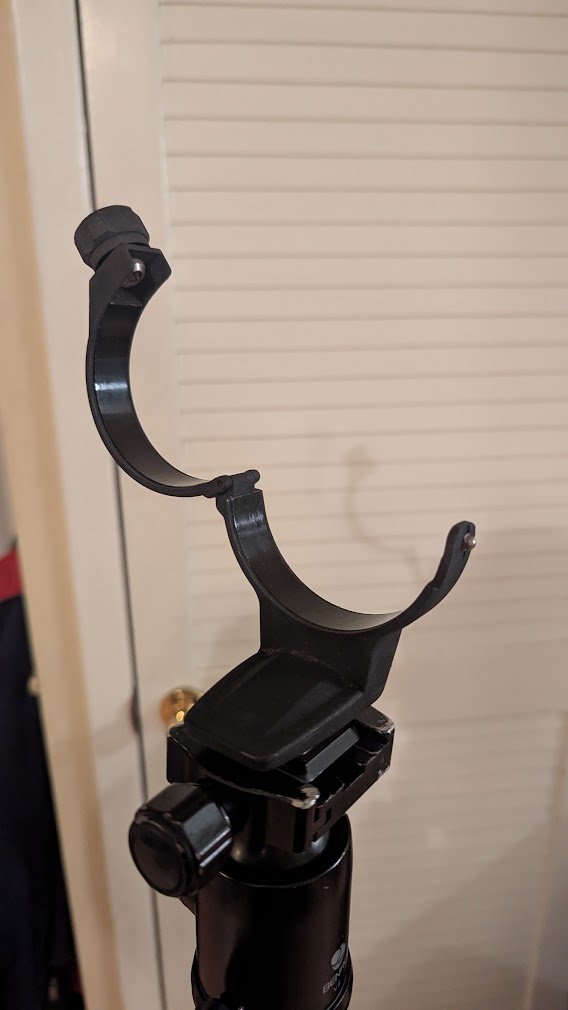
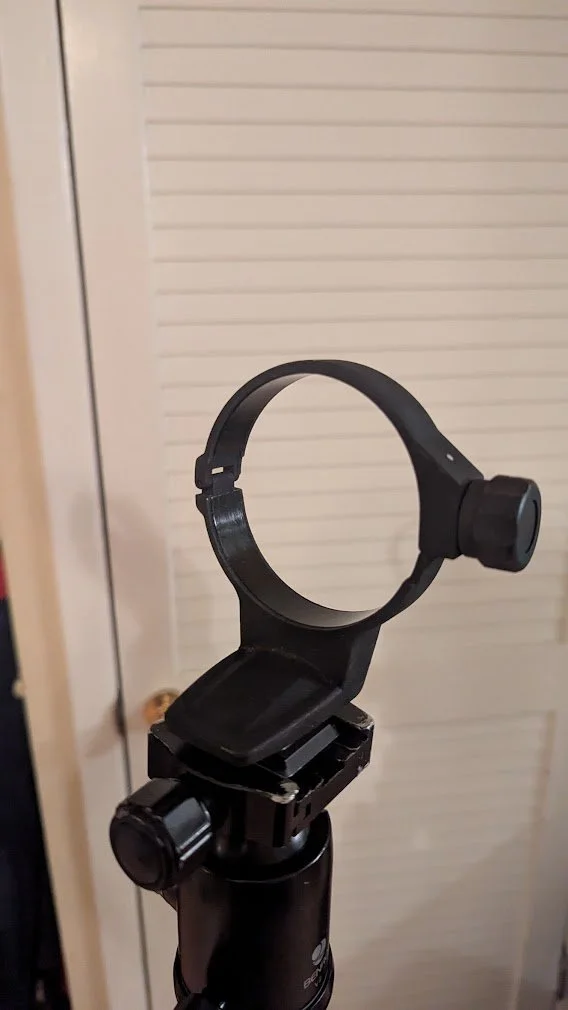
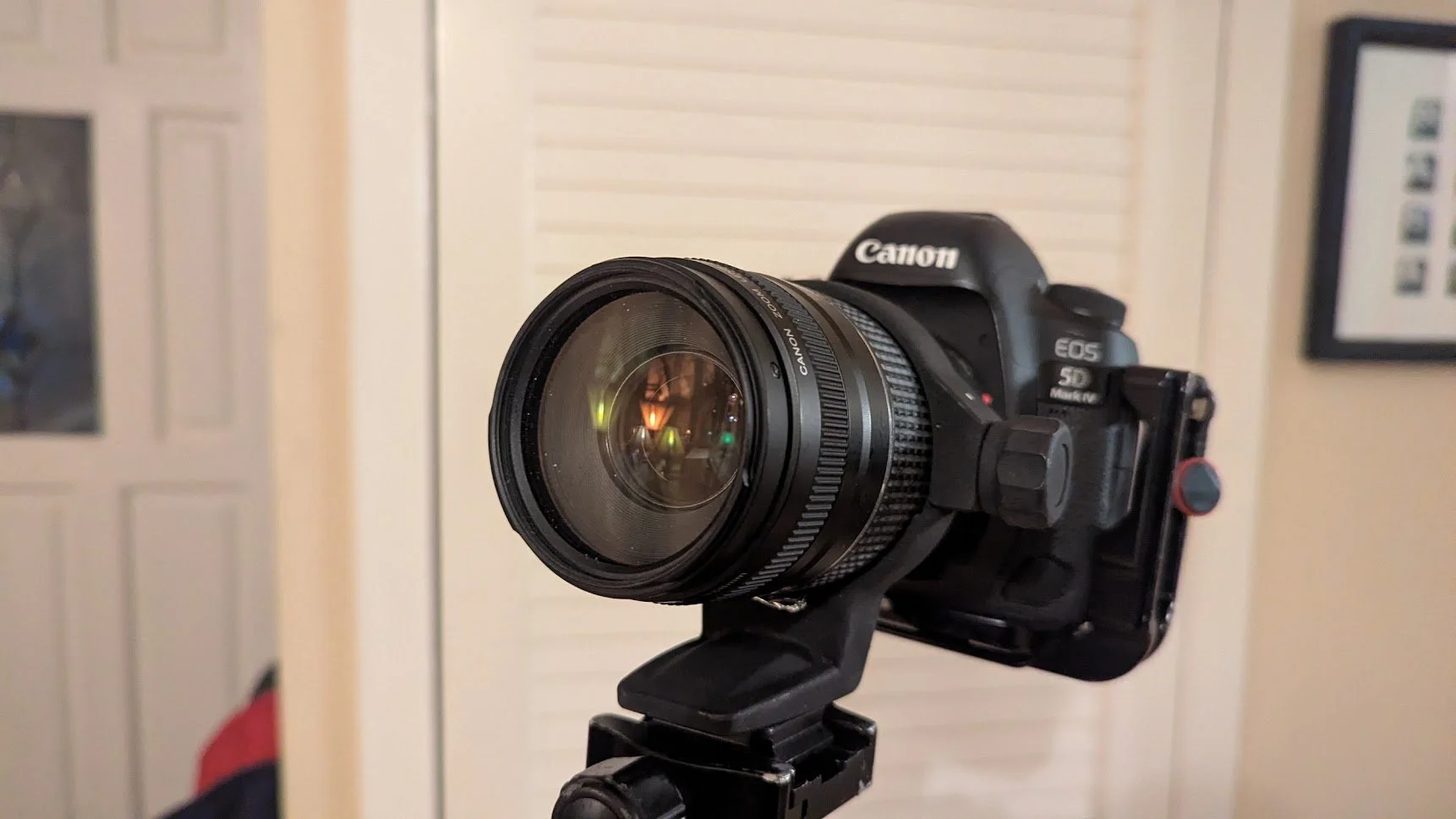
I also have a technique that “swirls” signs into place. In this case the lens zooms in while the camera itself rotates. This is accomplished by use of a “lens collar support bracket” which I use to hold the gripped zoom ring of a 100-300 zoom lens. With that secured I then proceed the same way, wait at least half to two-thirds of the exposure time to be stable and unmoving, then simply zoom in or out by now rotating the body.
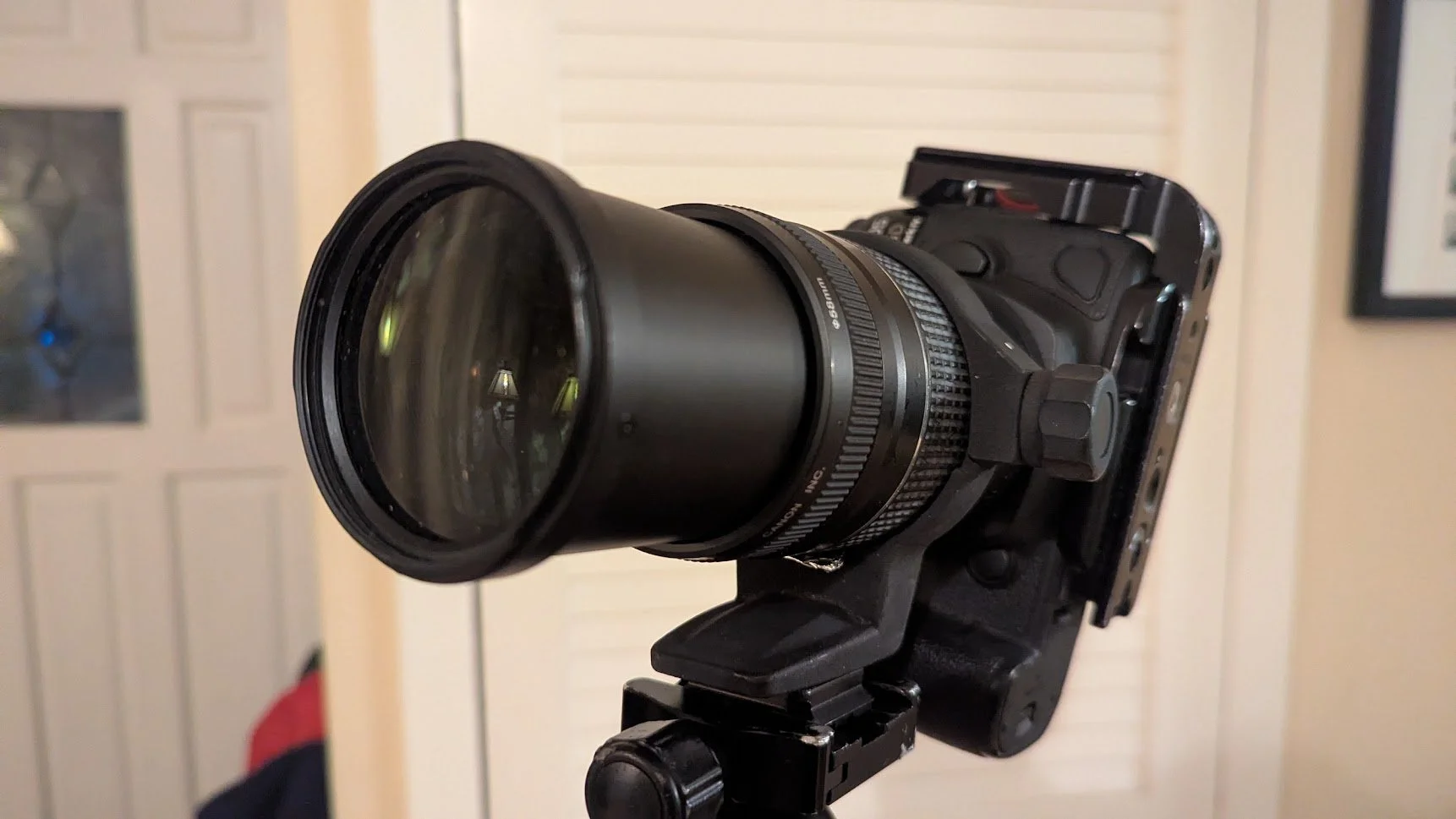
I find lens zooms to be a great technique when capturing neon or other lit signs, they can be challenging at night due to the brightness contrast with the darker subjects. Best of luck, let me know if you have any questions!